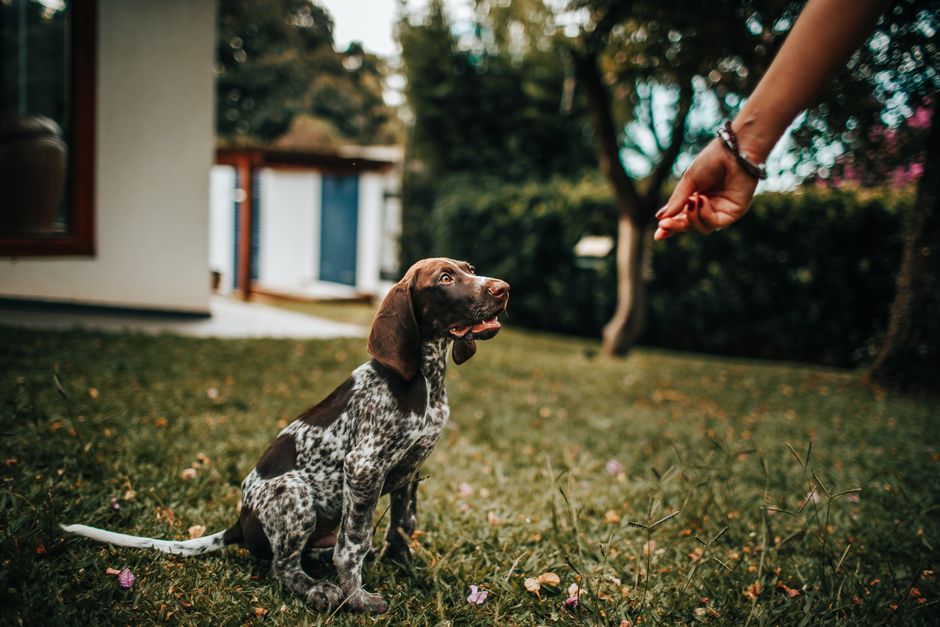
Effective Clicker Training for Puppies
Clicker training has become a widely used method for teaching puppies new behaviors. It relies on the principles of positive reinforcement, where a desired action is followed by a reward, and a clicker is used to mark the exact moment the behavior occurs. This form of communication helps the puppy associate the sound with a treat, making the learning process clear and efficient. For those new to this approach, understanding the fundamentals is essential before beginning a training routine.
Effective clicker training is not about quick fixes or guaranteed outcomes. Instead, it is a gradual process that involves consistency, patience, and a clear understanding of the puppy’s perspective. By focusing on the process and using a neutral, informative tone, this article will guide you through the steps of introducing the clicker, basic commands, and building a balanced training routine. The goal is to provide a framework that can be adapted to different puppies and situations, always keeping the well-being and learning pace of the animal in mind.
Understanding the Clicker Method
The clicker is a small device that makes a distinct clicking sound. In training, it serves as a marker, signaling to the puppy that a reward is coming. This method is grounded in operant conditioning, where behaviors are influenced by consequences. Unlike verbal markers, the click is consistent and precise, reducing confusion for the puppy. The key is to ensure that the click always predicts a treat, creating a conditioned response.
Before attempting any training, it is important to establish the clicker as a positive signal. This process, known as charging the clicker, involves clicking and immediately offering a treat, without any expectation of a behavior. This step builds the association between the sound and the reward. Repetition is crucial here, and the sessions should be short and positive. Over time, the puppy will understand that the click means something good is coming.
It is also worth noting that clicker training is not limited to basic commands. It can be used for shaping complex behaviors, such as teaching a puppy to touch a target or to stay on a mat. The versatility of the clicker makes it a valuable tool for many trainers. However, the success of the method depends on consistency and the ability to time the click accurately. Missing the moment of the behavior can lead to confusion, so practice and patience are essential.
Getting Started with Your Puppy
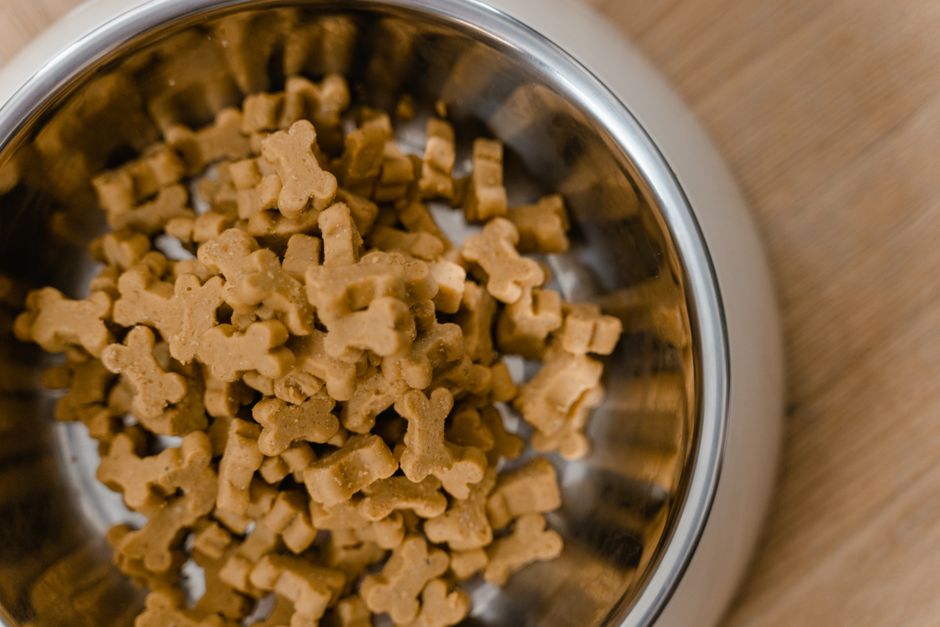
When you begin clicker training, it is advisable to choose a quiet environment with minimal distractions. This helps the puppy focus on the training session. The first sessions should be brief, lasting no more than five minutes, to maintain the puppy’s attention. A hungry puppy is often more motivated, so scheduling sessions before meals can be effective. Use small, soft treats that can be consumed quickly, allowing for a smooth flow of training.
One of the first exercises is to simply click and treat, which reinforces the clicker’s meaning. Once the puppy responds to the click by looking for a treat, you can move on to capturing behaviors. For example, if the puppy sits naturally, you can click and treat at that moment. This teaches the puppy that certain actions lead to rewards. It is important to avoid cues or commands initially, as the goal is to let the puppy offer behaviors on its own.
When introducing the first command, such as “sit,” it is common to use a lure. Holding a treat near the puppy’s nose and moving it upward often leads the puppy to sit. As the puppy sits, click and reward. After a few repetitions, the puppy may start to sit in anticipation of the treat. At that point, you can add the verbal command. It is essential to pair the command with the action, not the other way around, to ensure the puppy associates the word with the behavior.
Basic Commands to Teach First
There are several foundational commands that work well for clicker training. These include sit, down, stay, and come. Each command provides a building block for more advanced training. Starting with simple tricks, such as targeting a hand or touching a nose to a target stick, can also be beneficial. These exercises help the puppy understand the concept of clicker training and build confidence.
For the “down” command, you can shape the behavior by clicking for small steps, such as looking at the floor or moving the front legs. This process, called shaping, involves reinforcing incremental progress towards the final behavior. It requires timing and observation, but it can be very effective. Alternatively, you can lure the puppy into a down position by moving the treat towards the floor between the front paws. As with sit, click and reward when the puppy is fully down.
The “stay” command is often taught after the puppy has mastered sit or down. It is important to start with very short durations, such as one second, and gradually increase as the puppy succeeds. Use a release word, such as “okay,” to signal that the puppy can move. Click and treat only when the puppy holds the position for the required time. This command teaches impulse control and patience, which are valuable life skills.
“Come” is a critical recall command. To teach it, you can use a long line and a helper, or simply practice in a secure area. Begin by clicking and treating when the puppy moves towards you, even if it is only a few steps. Gradually increase the distance. It is important to make the recall rewarding, so always use high-value treats and enthusiastic praise (in a calm manner). Never punish a puppy for coming to you, as that can undermine the training.
Building a Training Routine
Consistency is key in clicker training. Establishing a routine helps the puppy understand when training happens and what is expected. Short sessions, multiple times a day, are often more effective than one long session. This allows for rest and prevents fatigue. Integrating training into daily activities, such as during feeding times or walks, can also reinforce behaviors in different contexts.
It is important to keep records of progress, noting which behaviors are being learned and any challenges that arise. This can help in adjusting the training approach. Every puppy learns at its own pace, and some may require more repetition. Patience is essential, as is avoiding frustration. If a session is not going well, it is better to end on a positive note and resume later.
As the puppy becomes more proficient, you can start adding distractions. This might involve training in a park or near other people. The level of difficulty should be increased gradually. It is also important to phase out the clicker eventually, using verbal markers or life rewards. However, for many, the clicker remains a useful tool. The goal is to have a well-behaved dog that responds to commands, whether the clicker is present or not.
A balanced routine includes not only training sessions but also playtime, rest, and socialisation. Clicker training for puppies can be a rewarding experience for both the dog and the owner, but it is essential to maintain realistic expectations. Outcomes depend on the individual puppy, the environment, and the consistency of the training. By focusing on the process and using a methodical approach, you can help your puppy develop a strong foundation for learning.
Clicker training is a process that requires time, patience, and a clear understanding of your puppy’s needs. It is not about quick fixes but about building a positive relationship through consistent communication.
Common Challenges and Solutions
Clicker training is not immune to challenges. One common issue is a puppy that is overstimulated or easily distracted. In such cases, moving to a quieter location and using higher-value treats may help. Another challenge is timing; many new trainers click too early or too late. To improve timing, you can practice with a helper or use a recording to review your sessions. It is also important to avoid clicking multiple times without offering a treat, as this can diminish the clicker’s meaning.
Some puppies may lose interest in training, showing signs of boredom or frustration. This can be addressed by varying the treats, keeping sessions short, and ending before the puppy loses interest. Incorporating play into training can also maintain enthusiasm. While clicker training is a structured method, it must be adaptable to the puppy’s learning style.
Another challenge is the temptation to rely solely on the clicker without proper reinforcement. The treat must follow the click every time, at least in the initial stages. As proficiency grows, intermittent reinforcement can be used, but this should be done carefully. It is also possible that the use of the clicker becomes associated with training alone, so practising in different settings and situations is beneficial.
If a behavior is not being learned, it may be necessary to break it down into smaller steps. For example, when teaching “stay,” you can reward for staying in a sit position, then for increasing duration, and later for increasing distance. This shaping process can be applied to many commands. Remember that training progress is not linear; setbacks can occur. Seeking advice from a professional trainer or consulting reliable resources can provide additional strategies.
Enhancing the Bond with Your Puppy
Beyond teaching commands, clicker training offers an opportunity to strengthen the bond between you and your puppy. The training sessions are moments of communication and interaction that build trust. By using positive reinforcement, you create a positive association with learning. This can make your puppy more eager to engage and more responsive to your cues in daily life.
To enhance this bond, it is important to incorporate training into a broader routine that includes physical exercise, mental stimulation, and socialisation. Clicker training is a tool that can help you understand your puppy’s behavior and needs. Observing your puppy’s responses can provide insights into their personality and preferences, allowing you to tailor the training approach.
Effective clicker training is as much about the relationship as it is about the commands. By focusing on clear communication, consistency, and patience, you can create a training experience that is beneficial for both of you. The methods described here provide a framework, but each puppy is unique. As you progress, you may discover what works best for your situation. Remember that training is an ongoing process, and there are always opportunities to learn and improve.